
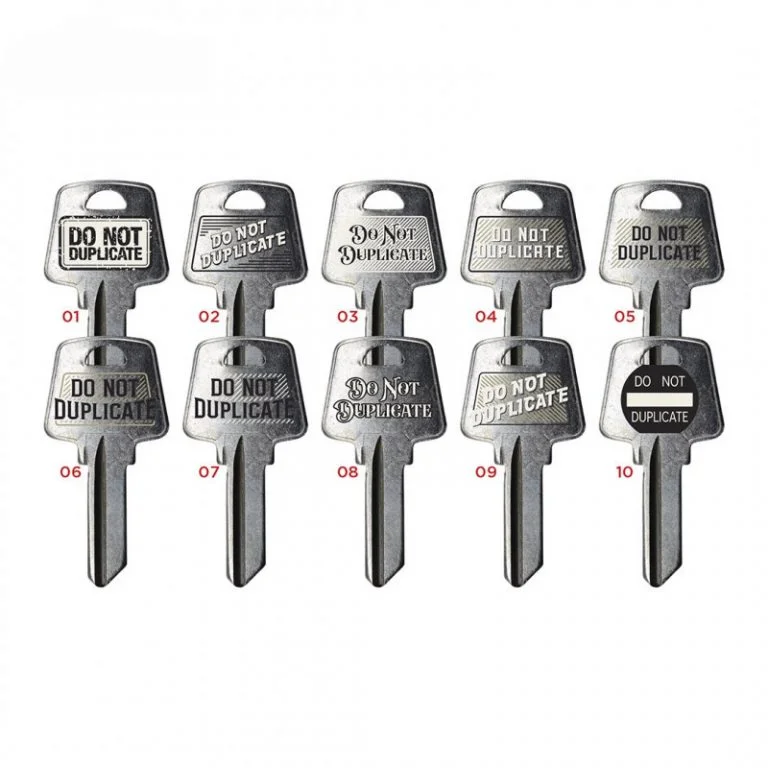
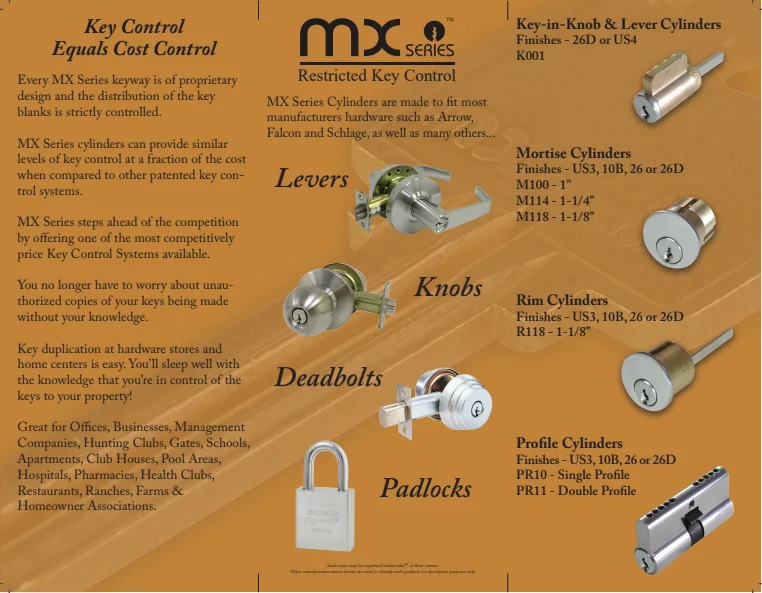
High security hardware is more than shaped pot-metal slapped on a door. Lock packs available in hardware stores, home improvement centers, etc are made of thin, weak metals. ANSI Grade 1 and 2 Locks provide hardened protection. This can be invaluable against brute force attacks. In addition to this, you also get duplication prohibition. This is because local home improvement stores and hardware shops are not allowed to sell these types of keys to the general public. Furthermore, area locksmiths who are at liberty to distribute and install these systems are bound by contracts. There is a code of honor among these professionals. Moreover, there are harsh consequences if locksmiths are caught cutting other locksmiths’ restricted blanks. Breaches of contract are taken seriously in the industry.

What are Restricted Keyway Locks?
Ever been shopping at a large box store and noticed a kiosk for getting a key copied? This may not seem like a threat to the average Joe. To a business owner or security specialist, these quick, convenient options represent a threat to physical security. Obviously, you don’t want just anyone accessing your business. After all, what is the point of locking the door if bad actors are able to acquire a copy of the key? Restricted lock & key systems are designed to enhance physical security. This helps prevent unauthorized duplication of keys. The majority of lock systems with restricted keyways feature a key that is licensed or authorized only to one locksmith or group of locksmiths in a given locale. Furthermore, these systems often require more scrutiny and require keyholders to be registered, often having credentials on file. This ensures that keys can only be obtained by authorized individuals.